BEAUTIFUL MINDS

Matthew Pelekanos

Principal Research Technician – Ultrasound
Götz group
‍Queensland Brain Institute

"You can’t solve problems without creativity. Often it’s by taking an idea form another field and applying it to yours, sometimes it’s a bolt out of the blue, but it’s always creative."
"Many of my works presented here aren’t actually discoveries, but rather pilot tests and workups. That’s because the real beauty often comes when you don’t know what you’ll get, when you’re still trying things out. It’s still a ‘discovery’, but just a small one that’s a step along the way to the bigger result. Once you’ve got things working, then you repeat, verify and review. That’s when these little creations become real discoveries, real science."

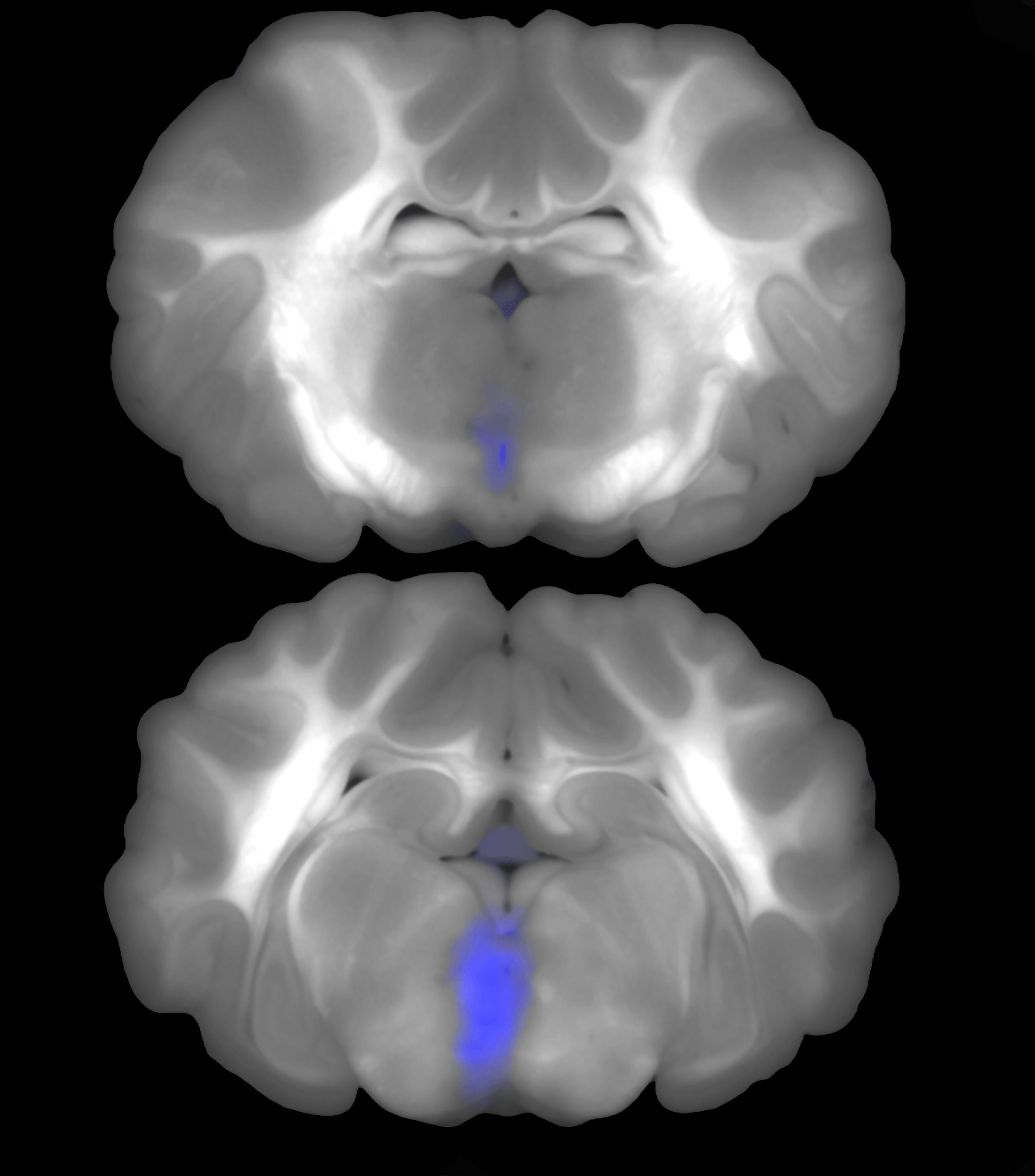
Blue marks the spot

Evans Blue dye marks the areas where the blood-brain barrier was opened, using ultrasound, in slices of sheep brain.

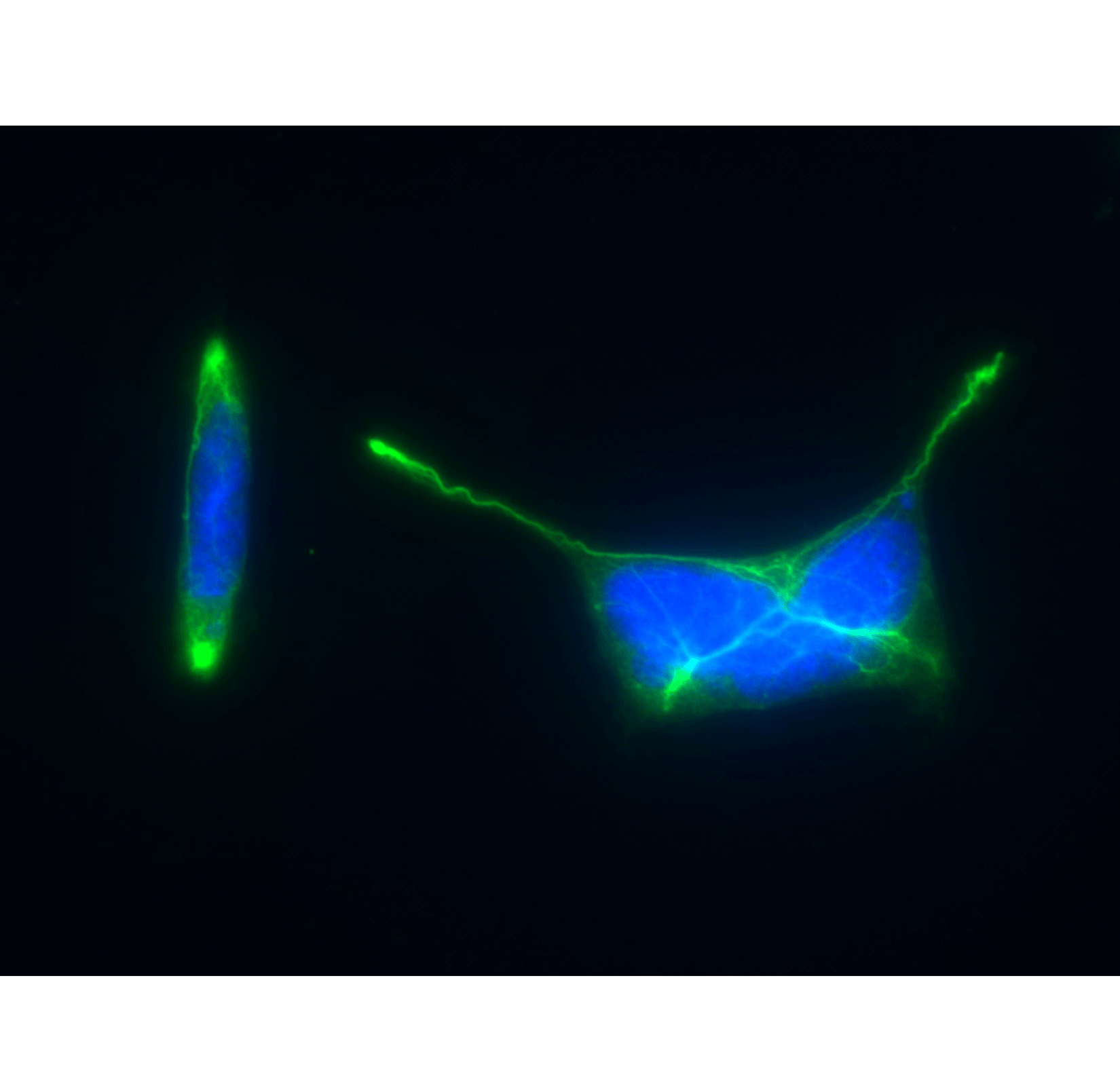
DAPI Eggs

In a petri dish, dopamine neurons can be grown for small-scale experiments. Marked in green for easy identification, their nuclei are dyed blue. Here, two spiky cells divide while another watches on.

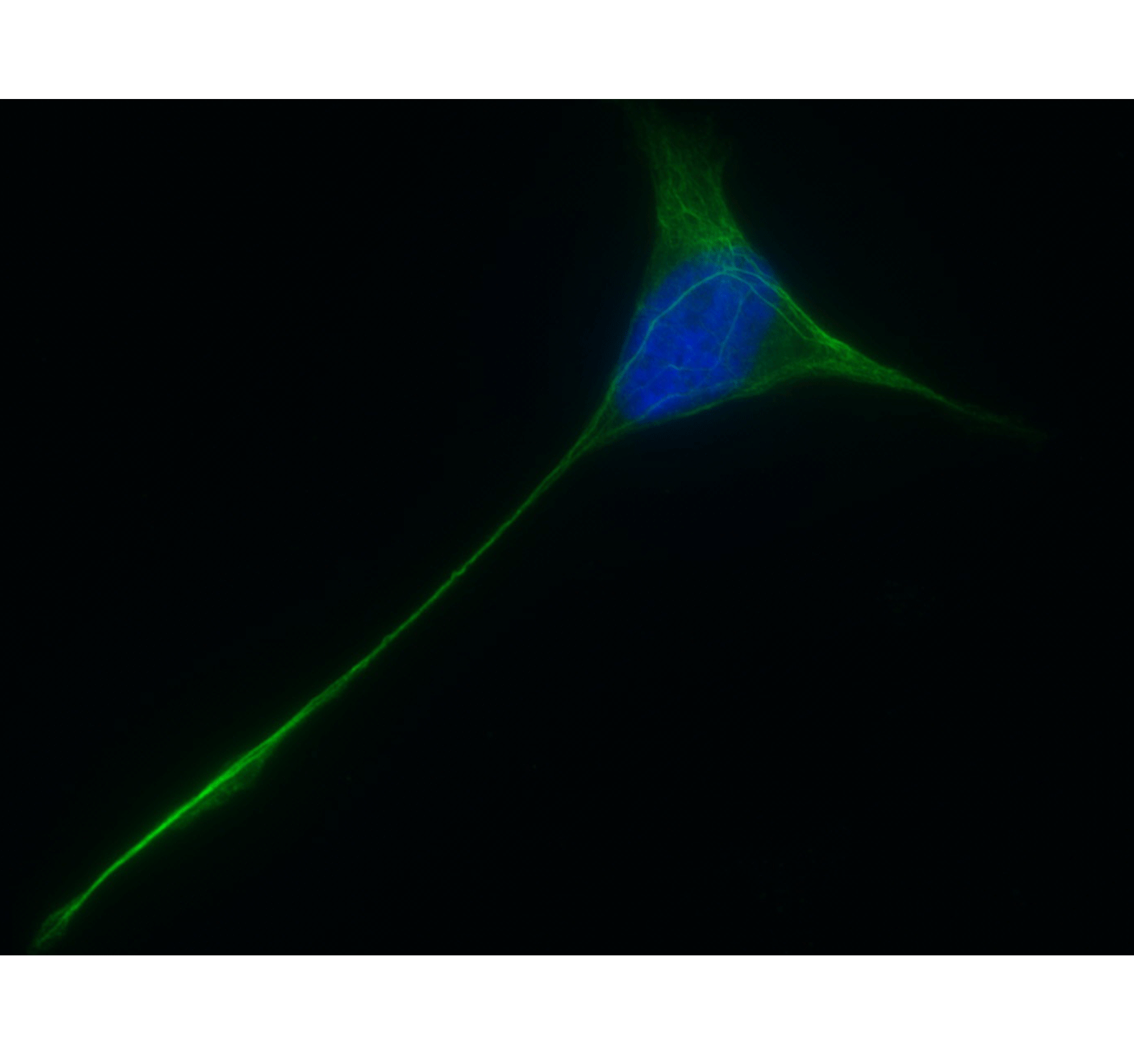
Untitled

Here, this spiky cell reaches out to make connections with others nearby.

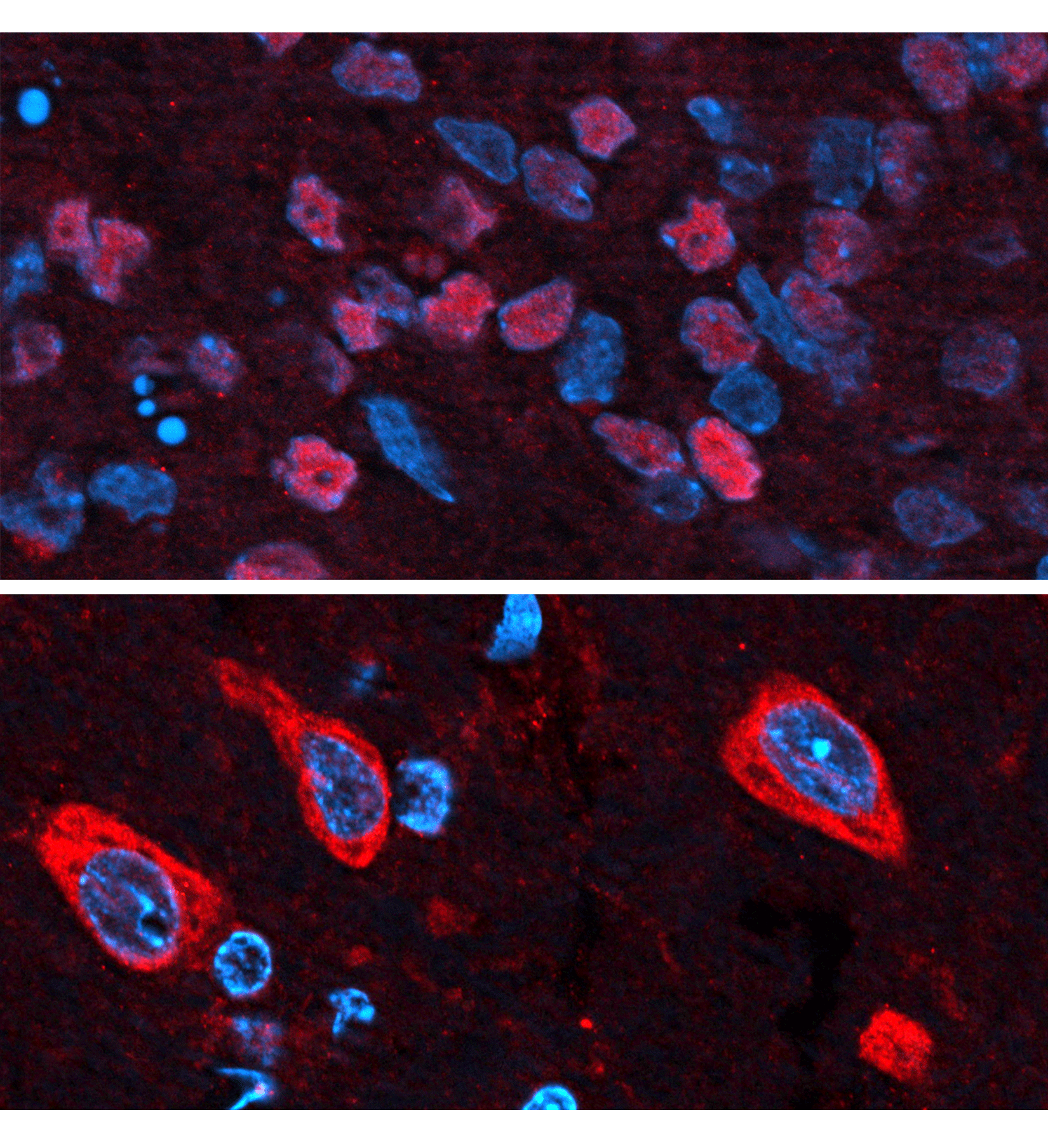
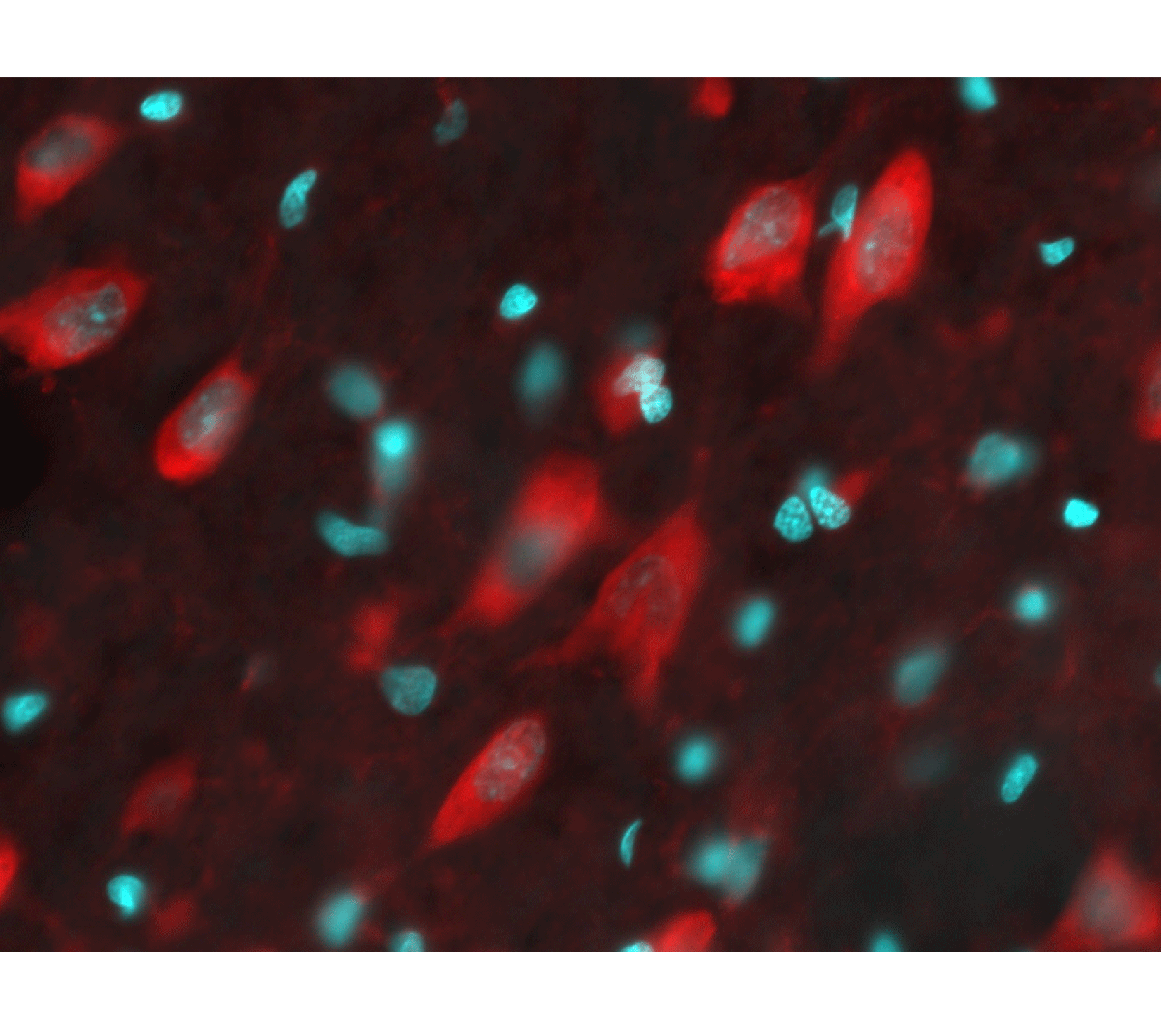
Now you see me

The protein marked in red, Nurr1,  is important or regulating gene expression during brain development (top), when it clusters in DNA-containing cell nuclei (blue). In mature brain (bottom) it is found outside the cell nuclei, and what it does here is a mystery.

"It’s thought that vitamin D deficiency during development may have a role in disorders like schizophrenia. We were able to model this vitamin deficiency in small animal models, which allowed small-scale investigations of what might be happening in the brain, which can then be correlated to human epidemiology."

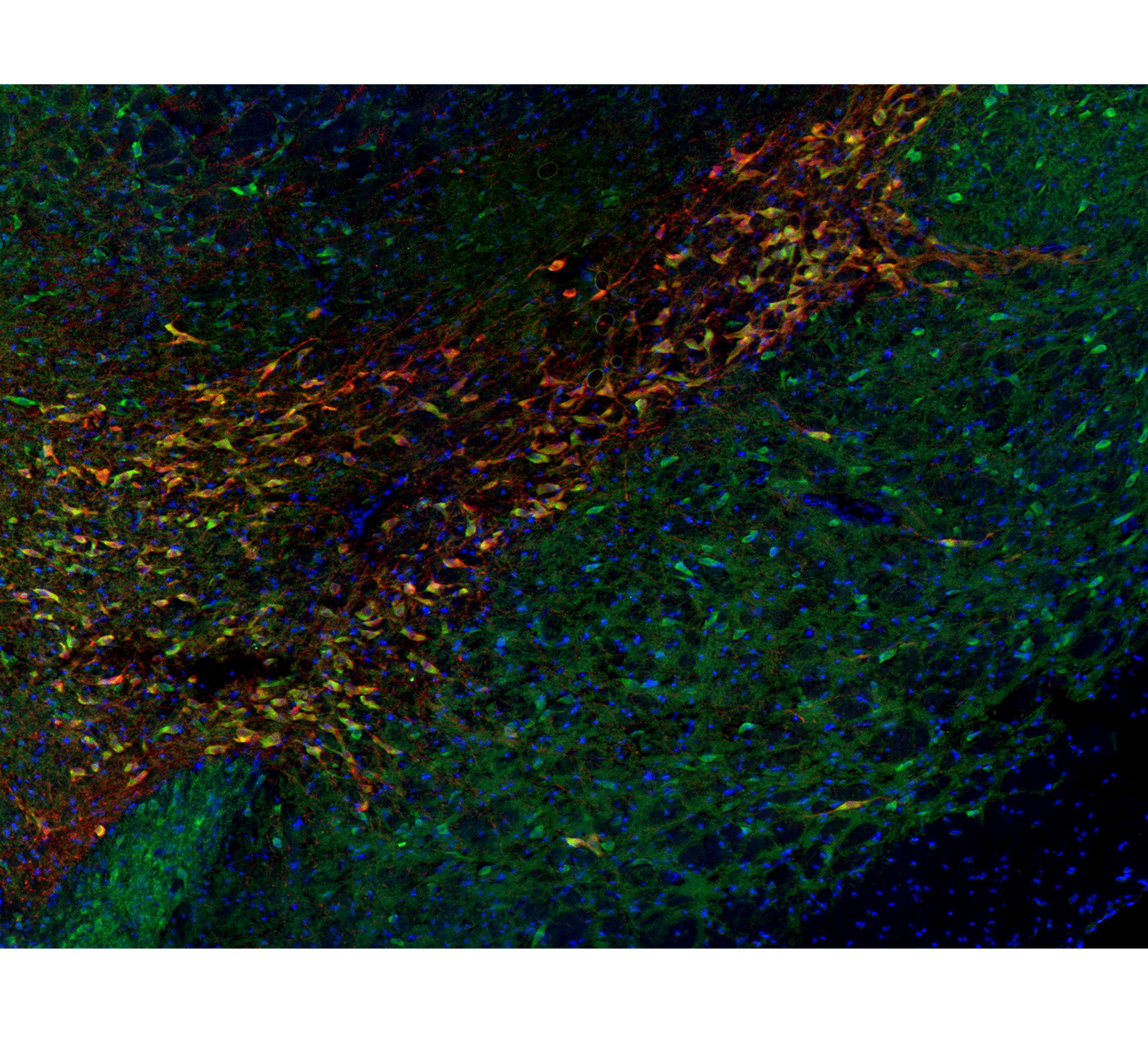
Dopamine and Vitamin D

In the rat brain, dopamine neurons can be marked in red for easy identification. Here, they sit as a fiery red streak among a green and blue field of other types of brain cells.  

The way dopamine neurons develop may have a role in disorders like schizophrenia. We were able to observe this development under different conditions in cell culture. Cell culture, or growing cells in petri dishes, is an easy, high through-put way of getting results from simple biological specimens. Such small-scale investigations give clues about how things happen in the living human brain.
Now you see me

The protein marked in red-Nurr1-is importantfor developing dopamine neurons. Disruptions of the Nurr1 gene are of interestto QBI schizophrenia researchers.

Finding where a protein lies in a brain cell tellsyou about its function, and neuroscientists often use fluorescence microscopyfor this. By seeing what proteins lie in what parts of the brain, we can workout their functions and categorize different types of brain cells.

Matt's research

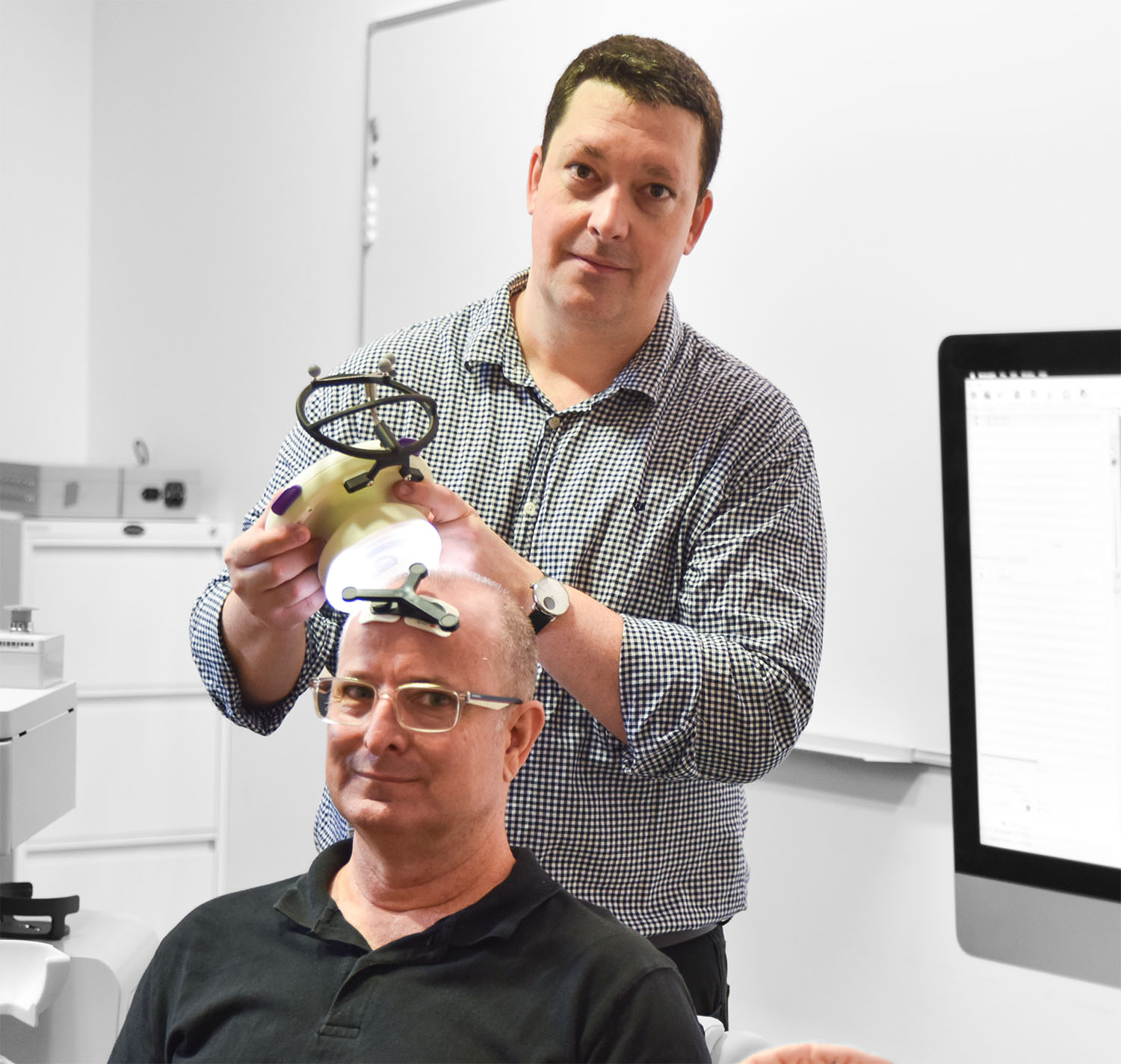
Matt is Principal Research Technician—Ultrasound at the Queensland Brain Institute. He has been learning and creating in the biomedical sciences for almost twenty years. For the last decade, he’s been at QBI translating a promising focused ultrasound therapy from a lab discovery into clinical trials with Alzheimer’s. While this emerging technology has vast potential to treat many brain diseases, Matt’s usually focusing on the small things that get keep ther esearch moving.

"Science is about asking questions that haven’t been answered yet, by anyone, ever. You need to be methodical, sure, but also creative to come up with explanations or next steps. Finding out what is just the beginning, finding out the why and the what next, that's where you need to think creatively. "