BEAUTIFUL MINDS

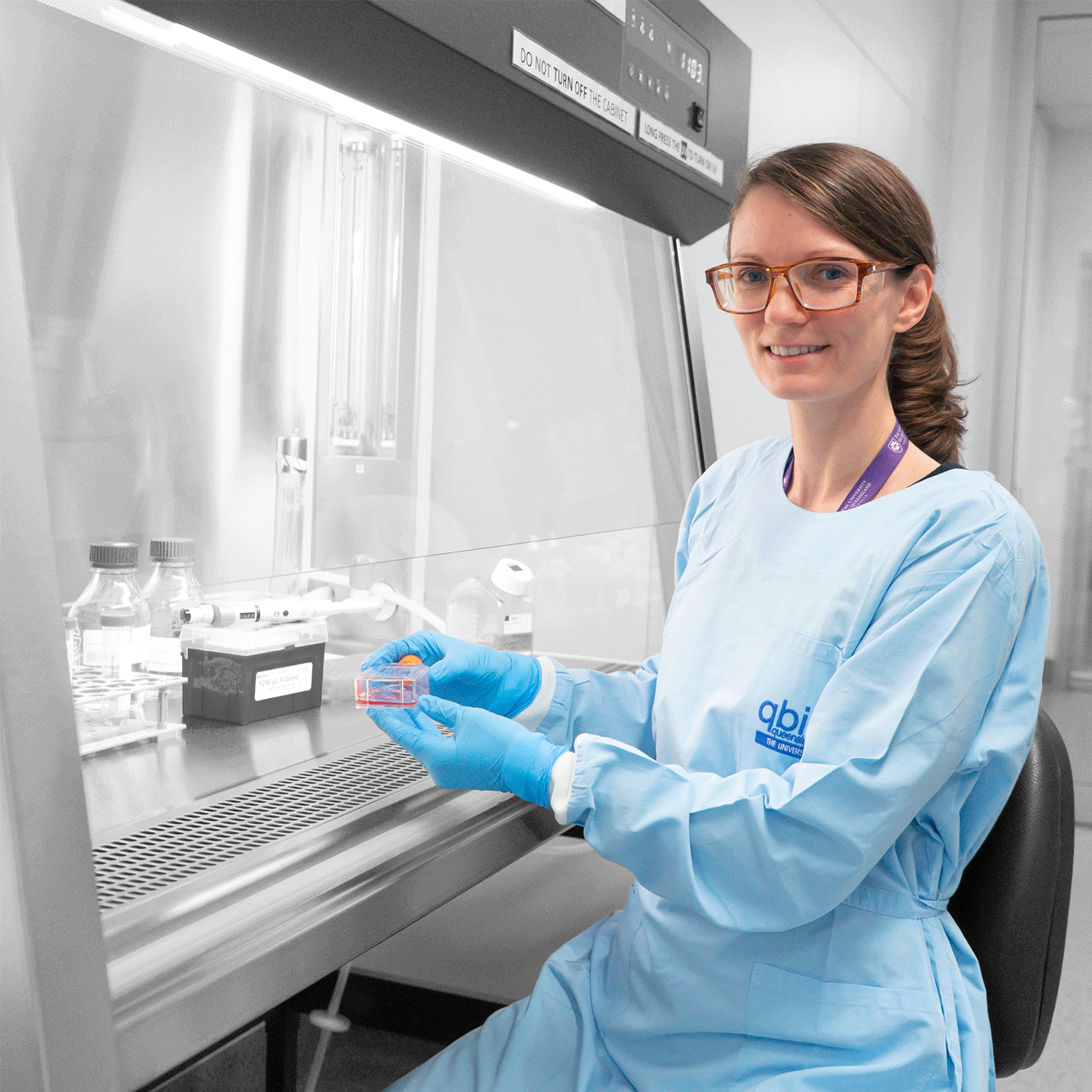
Dr Odette Leiter

Postdoctoral Research Fellow
Walker lab

Queensland Brain Institute

"I am a postdoctoral research fellow in Associate Professor Tara Walker's lab, investigating systemic brain rejuvenation. My research focus lies on the regulation of adult hippocampal neurogenesis by physical exercise, a process critically involved in learning and memory."
"Creativity to me is the ability to find beauty and appreciation in the small things in life. In research, I enjoy visualising the networks of brain cells through microscopy and find it rewarding and visually beautiful outcome after several weeks of work."

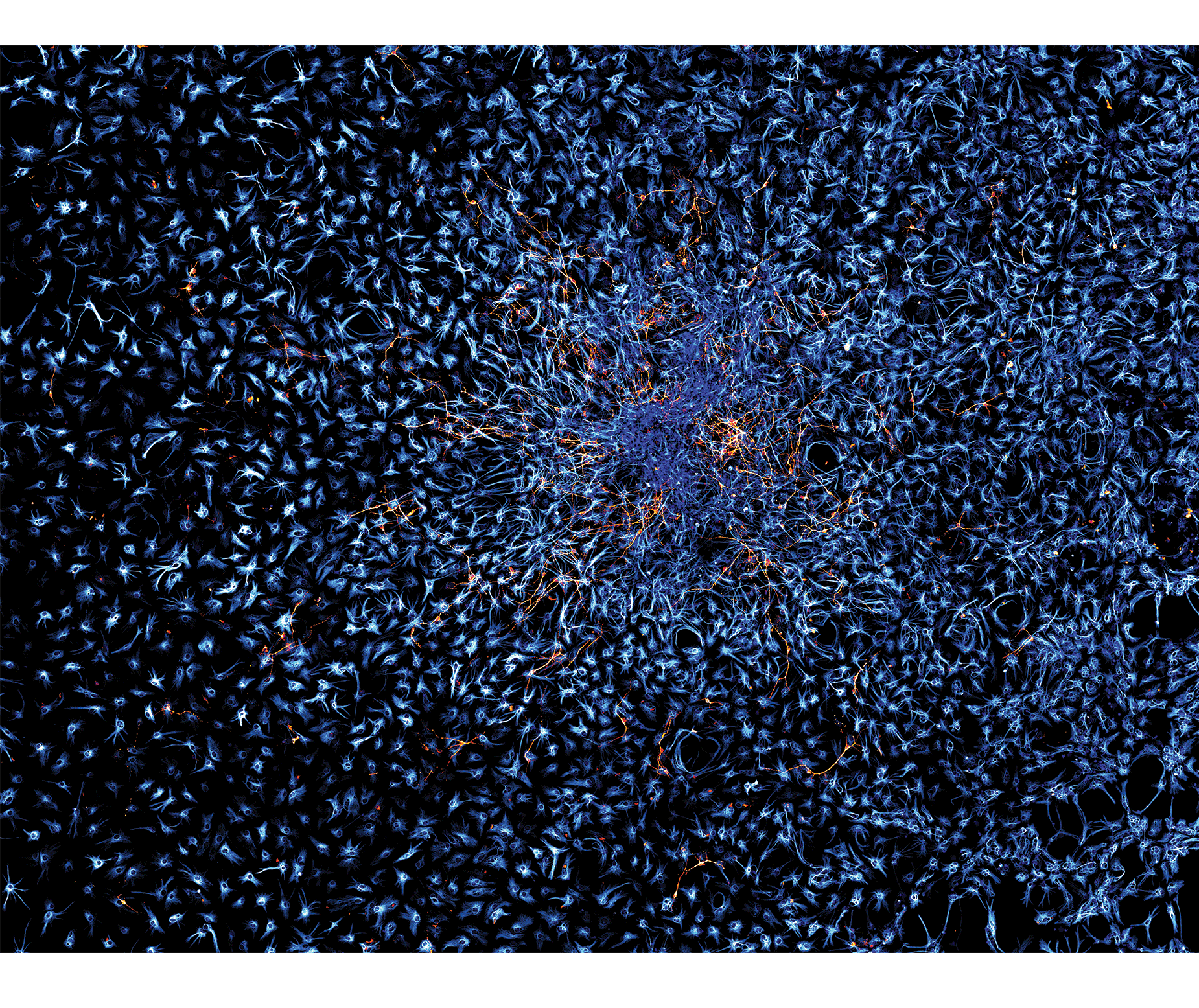
Fire and Ice

A snowstorm of cyan astrocytes meets an explosion of amber neurons in a culture of differentiated adult neural stem cells.

Icy-blue astrocytes radiate from a neurosphere at the centre of theimage and drift outwards like snowflakes dancing in the winter breeze. Among them, amber-coloured neurons burst from the neurosphere core like an explosion. All of these specialised brain cells originated from a single neural stem cell isolated from the adult mouse hippocampus that was cultured for two to three weeks. The image highlights the remarkable capacity of the adult brain to generate new cells and establish new neural connections throughout life.

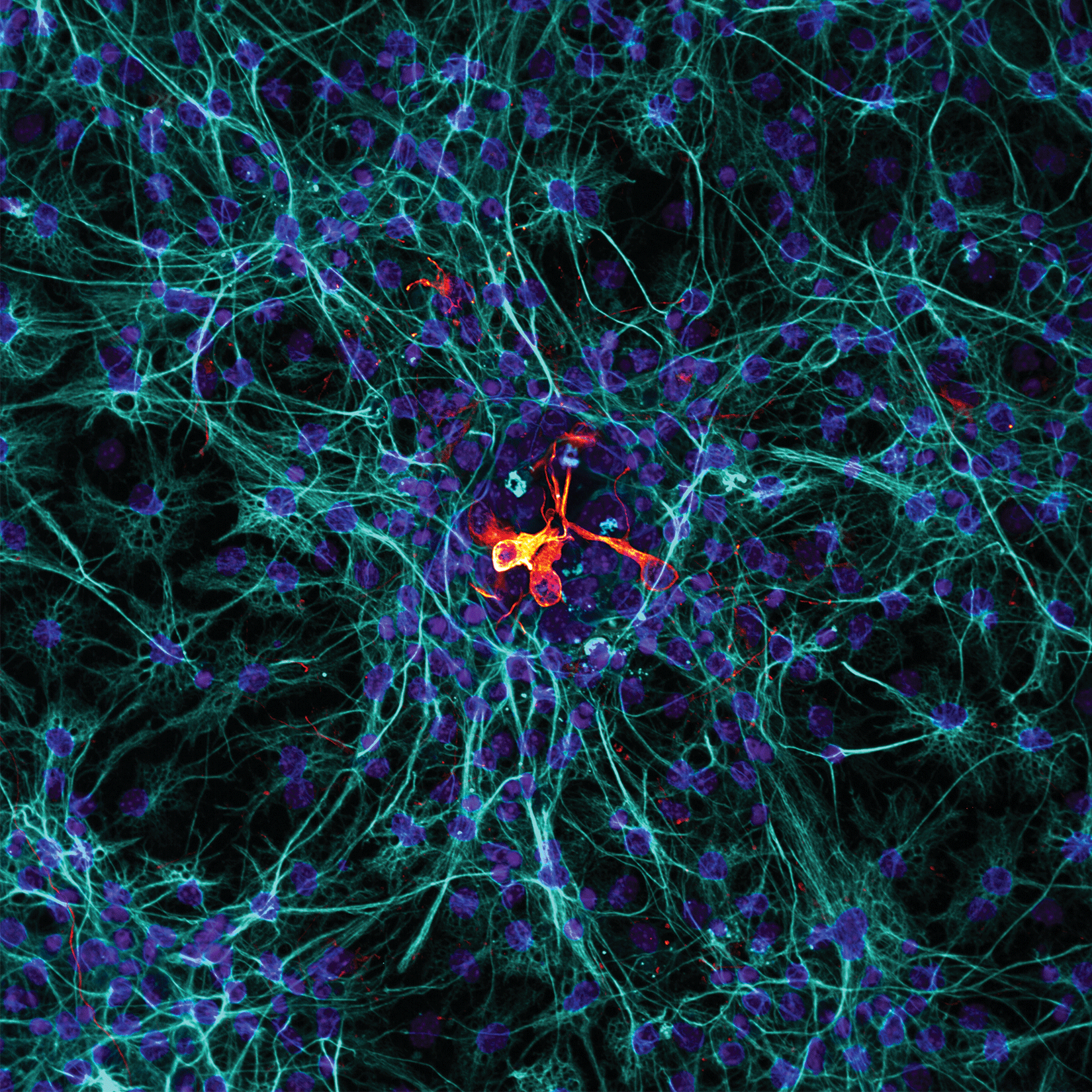
Nestled

Glowing amber neurons cradled by a nest of cyan astrocytes derived from adult neural stem cells.

This microscopic image captures the delicate interaction betweens pecialised brain cells, astrocytes and neurons, within a culture of differentiated adult mouse neural stem cells. All of these cells developed from a single neural stem cell isolated from the adult mouse hippocampus and grown in culture for two to three weeks. Cyan astrocytes appear to gently cradle a cluster of amber-coloured neurons, creating a compelling image of support and protection. The scene reflects the close partnership between astrocytes and neurons, highlighting the nurturing role astrocytes play in maintaining healthy neural networks.

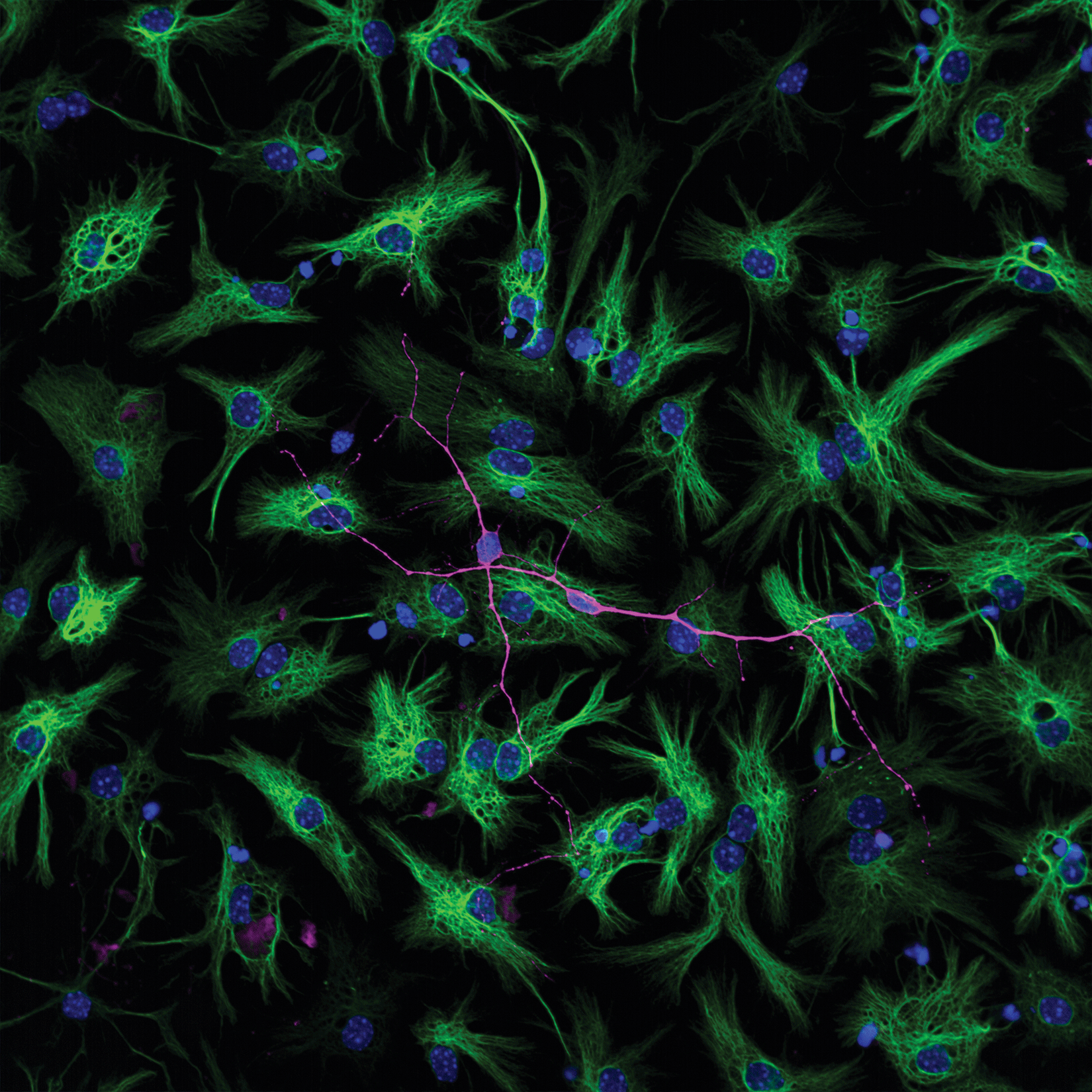
Crossroads

Two vivid neurons (magenta) cross paths within a landscape of astrocytes (green), captured in cultures of differentiated neural stem cells from the adult mouse brain.

This microscopic image displays a pair of newly generated magenta neurons crossing paths as they extend their delicate processes across a field of green astrocytes. All of these specialised brain cells developed from a single stem cell isolated from the hippocampus of an adult mouse and maintained in culture for two to three weeks. The image highlights the remarkable capacity of the adult brain to generate new cells, form new connections and maintain plasticity throughout life.

Odette's research

Odette's research is driven by a fascination with how the brain responds to lifestyle factors and its capacity for adaption and plasticity throughout life. As our population ages, understanding how the brain maintains learning and memory becomes increasingly important. Through her research, Dr Leiter explores the mechanisms that support healthy brain ageing while revealing the striking beauty hidden within the microscopic world of the brain.

Hidden within the adult brain are neural stem cells with the extraordinary ability to generate new brain cells throughout life. These stem cells reside in specialised niches, including the hippocampus, a region essential for learning and memory. As we age, however, the activity of these stem cells declines, reducing the brain's capacity for renewal and contributing to cognitive decline. Our research explores the complex biological mechanisms that control neural stem cell function and the generation of new functional neurons from these stem cells. Using mouse models and stem cell cultures, like those shown in these images, we investigate how these processes are maintained, disrupted, and potentially restored. By identifying the factors that regulate the brain's rejuvenating potential during ageing, this work aims to guide future strategies to preserve learning, memory, and cognitive health.

"Ironically, some of my most beautiful microscopic images come from failed experiments. While they may not answer the original scientific question, they still put a smile on my face and remind me just how beautiful science can be. I am grateful for opportunities such as the QBI Art in Neuroscience initiative, which gives these images a second chance to tell their story and share that beauty with a broader audience."